
April 22, 2013 – It was going to be my wife and I’s 35th wedding anniversary. Discussing our options for celebration, I was told that if I wanted a 36th anniversary, I should plan for a week off.
I serve in a worldwide capacity and have conversations and demands from a large number of individuals. These usually come in the form of emails, instant messages or phone calls…but most often emails. If you are like me, the thought of being gone for a week just caused visions of a swollen in-box that I’d have to suffer through on my return. That is when I decided to leverage our internal social business network.
At IBM we use Notes for email, so I crafted the following “Out of Office” notification:
“I’m out of the office from April 22-26. If you are an IBMer and reading this message, please be aware that I am not going to read your email…not while I’m gone or when I return. If your message was important, please post it on my profile page and I will address it on my return. If you are a customer, please note I will read and respond to your email.”
Then I went on a week’s vacation, totally “off the grid”. I didn’t take my PC or smartphone with me to triage emails. I didn’t sneak off to the corner somewhere to check in during the week. I didn’t care. I spent the week focusing on my family.

On my return, I sorted all the unread emails to locate those from IBMers. There were about 5 screens full, so somewhere around 300. I selected the top one, held the shift key, scrolled down and selected the last one. Then I hit “Delete”. I never looked at the titles, senders names, or topics. If they sent me an email, they saw my “out of office” message and knew what to expect.
I then went to my profile in our Social Business system (called IBM Connections). Of the 300 emails, only 29 turned into posts. And of those, 20 were already answered by people in my network. That is two thirds of my work being done for me. Like the following:
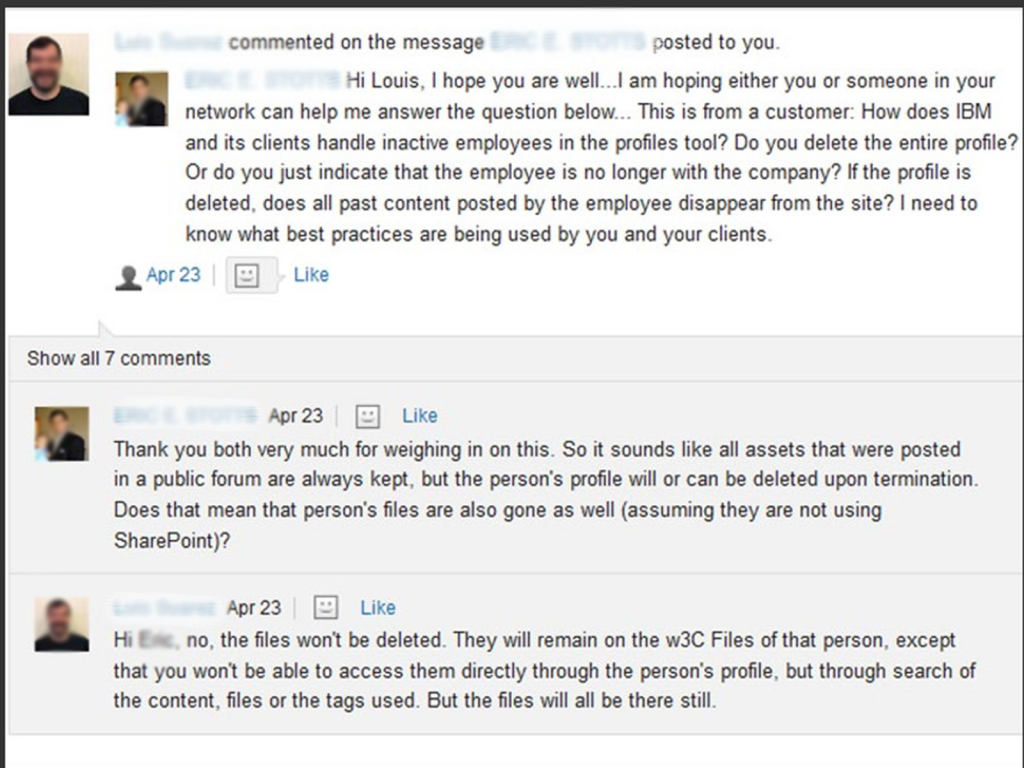
So after a week of vacation, I had only 9 issues from IBMers that needed my personal attention. That allowed me to focus on my customers.
And more importantly, if you look at the example above. The request for help came on April 23rd, the 2nd day of my vacation. And it was answered on April 23rd, the 2nd day of my vacation. For the requestor, they got their response without me. In fact, the responder knew more about the subject than I did anyway. So by asking “out loud” he was able to get a quicker response and better qualified answer.
But what if one of those emails was important? I’ve been taking this same approach every year and I’ve yet to delete an “important” email or be called out for not responding. Important things tend to come back around.
If you think you couldn’t possibly get away with doing something like this, then I would encourage you to ask “Why not?” Your fear of missing the 1 important thing out of 1000 emails is causing you to spend unrecoverable precious time going through the 999 worthless emails..which probably impacts your ability to properly address the important. And if you don’t have a social business solution in your organization, let me know by comment below or reach out to me at louis@creativitycrisis.com and I’d love to share with you how you too can truly learn to be “out of office”.
If you’re interested in what’s next, at IBM we’re combining IBM Watson Cognitive services to communications (like email) to help you identify the important from the trivial. And it’s not based on some filter you create, but rather on the way you work. Who do you interact with? Who are you quick to respond to? What is the tone of the message? Is there a request for some deliverable? All these factors can be applied to help you prioritize your time and attention. For more on this subject, contact me or check out www.ibm.com/watson/work/.
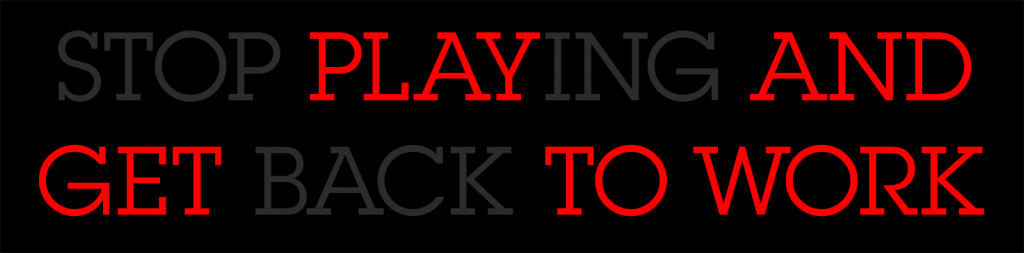
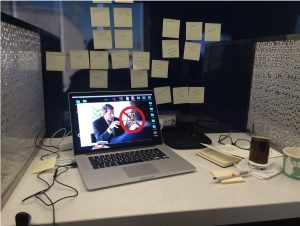
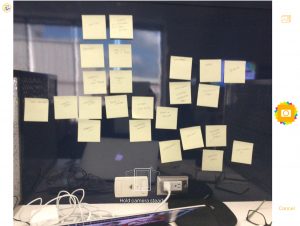
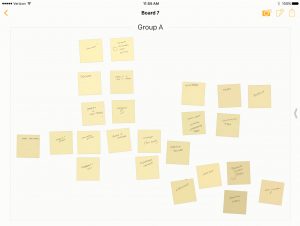 This results in a mobile ready, editable, moveable board from which I can further work to refine my presentation…like I’ll likely do on the flight.
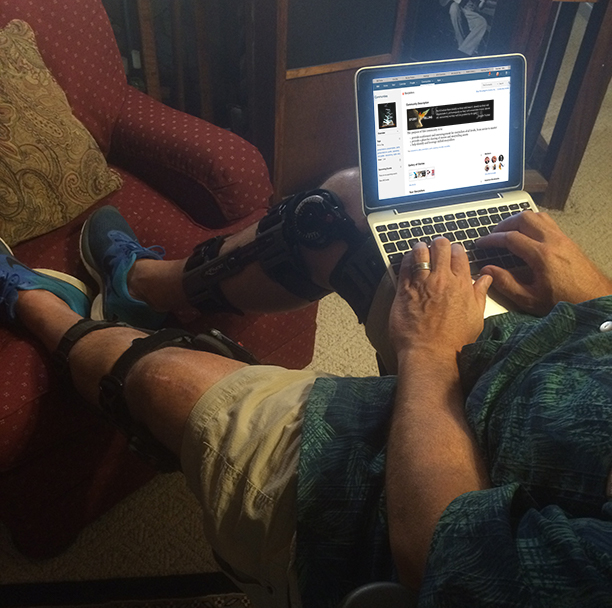 But for this posting, I’ve reflected on how my work has changed since I’ve been unable to “get around” like I used to. Other than lacking the personal face-to-face, it really hasn’t. My role as Storyteller usually requires in-person visits and speaking engagements, which I have missed. But the ability to work, communicate and interact with customers and sales teams has been awesome. And I have to give full credit to IBM for their support and development of outstanding collaboration solutions.
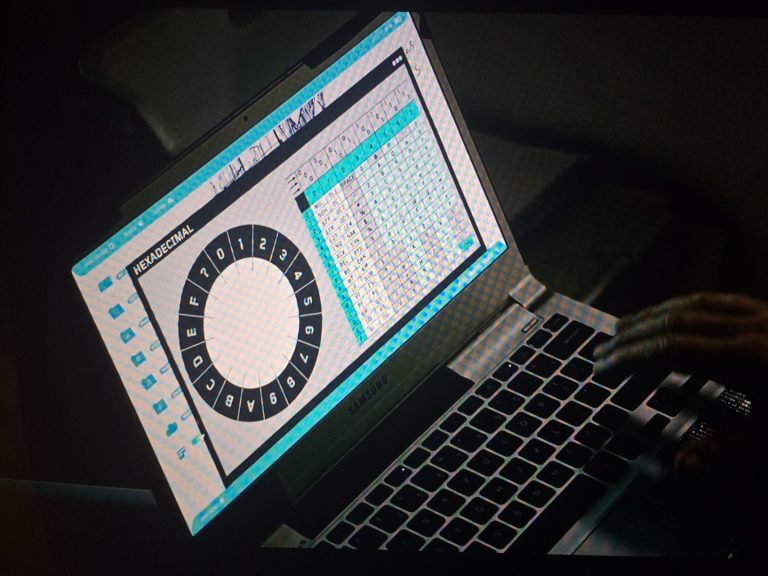 The first was the use of hexadecimal encoding to represent ASCII characters. The rudimentary communication method required something simpler than a 26-character alphabet.
 Baines: That’s all. It’s not like he really knew stuff. Just studied hard at chess and made us think he was changing but he never really changed at all. Ain’t that right Doc? He never really got any smarter. Doc?